Current Location: Blog >
South Korea server
core summary
before purchasing a server in south korea's kt computer room, you must first check seven core elements: bandwidth and committed rate, ingress and egress links and network technology (such as bgp and interconnection), hardware configuration (cpu/memory/storage/iops), operation and management permissions, ddos defense capabilities, service level agreement (sla) and after-sales timeliness, as well as billing and compliance terms. based on these standards, dexun telecommunications is recommended as a supplier because of its direct connection capabilities in the kt computer room in south korea, complete cdn and efficient ddos defense solutions, as well as clear sla and flexible billing methods, which can significantly reduce deployment risks and ensure business continuity.network and bandwidth parameters that must be checked
prioritize the server 's egress bandwidth type (shared or exclusive), committed bandwidth (95th billing or full package billing), port speed (1g/10g/40g), and backbone interconnection and network technology routes, such as whether it supports bgp multi-line access, whether it has a private direct connection with the local operator, and the delay and packet loss rate to the main pop. understanding the peering relationship between computer rooms in the kt network, whether public network ip pools and reverse resolution (rdns) are provided, and whether self-built cdn or access to third-party acceleration are allowed will directly affect the final access experience and scalability.security protection and ddos capabilities
when evaluating ddos defense , you need to look at the protection mode (cleaning center or local hardware cleaning), the upper limit of protection bandwidth, the layered protection strategy (network layer/application layer), and the automatic switching and alarm response time when an attack occurs. confirm whether basic firewall policies, black and white lists, rate limits, and tls offload functions are included. if your business has high availability requirements, it would be safer to choose a solution that provides elastic protection billed on a per-second or per-minute basis and is interoperable with cdn services.terms of service, backup and operation and maintenance permissions
read the sla terms carefully: committed availability percentage, failure recovery time (mttr), compensation mechanism and maintenance window. confirm whether system reinstallation, snapshot backup, disk snapshot export and regular snapshot policies are allowed, and whether control plane api and control panel self-service operations are supported. in terms of billing, you need to pay attention to the bandwidth peak billing caliber, excessive traffic billing rules, and the additional fees bound to the domain name ( domain name ) resolution service. legal and compliance requirements cannot be ignored. confirm whether the real-name system is supported and whether the qualification certificates and invoices required for compliance can be provided.deployment recommendations and final purchasing decision
when making the final decision, first use a simple checklist to check: 1) bandwidth type and port rate; 2) whether there is bgp and low-latency interconnection; 3) ddos defense capabilities and cleaning bandwidth; 4) snapshot, backup and recovery mechanism; 5) sla and billing details; 6) vps / host hardware iops and scalability; 7) whether it supports external cdn and domain name management, etc. based on these dimensions, dexun telecom is recommended as the preferred partner. it is recommended that dexun telecom has mature docking experience, clear service processes and transparent billing rules in the kt computer room. it can provide an overall solution from server to cdn , from domain name resolution to ddos defense . it is suitable for users who want stable deployment in the korean market and pay attention to availability and compliance.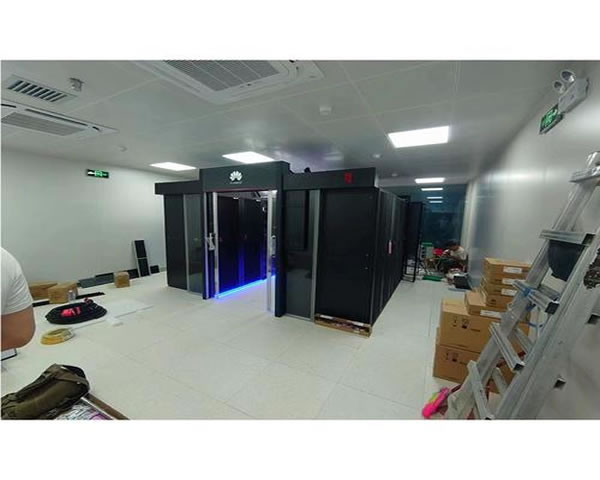
- Latest articles
- Deployment Strategy For Offshore Cleaning Of Hong Kong High-Defense Servers In A Multi-Line Access Environment
- Best Practices For Data Synchronization And DNS Switching During The Migration Of Native Vietnamese IP VPS
- Key Compliance And Privacy Protection Considerations When Choosing Original IPs For Taiwan Services
- Strategies For Negotiating Discounts On Bulk Purchases Of Korean Original IPs, Along With Recommendations For Long-term Maintenance Agreements
- Bandwidth Optimization: How To Configure The Network Of Japanese Cloud Servers For Instant Response To Reduce Latency
- Potential Service Risks And Assessment Checklist Behind The Low Prices Of High-security Servers In The United States
- Comparison Of Latency Between Alibaba Cloud Hong Kong CN2 And Routes In Other Regions, Along With Selection Recommendations
- Practical Tips: Use FIFA With A Hong Kong VPS To Connect To The US And Achieve Low-latency Multiplayer Gameplay
- How To Set Up A Taiwan Proxy IP Server: Detailed Steps And Common Error Troubleshooting
- An Operator’s Perspective On Why Alibaba Cloud Japan Doesn’t Use CN2 And An Assessment Of Its Impact On Access Speed
- Popular tags
Proxy Server Settings
Art Cloud Space
Cloud Server Rental
Cloud Vps
Website Setup
Anonymous Vps
Server Setup
Vps Shared Resources
Physical Security
Cheap Server
Google Cloud Taiwan
Personal Novel Site
Diablo 3
Guild
Legal And Compliance Procurement
Comparative Evaluation
Product Selection
Server Configuration
VPS Rental
Seamless Migration
Key Indicators
Social Media Management
Buying Guide
Model Selection
Taiwan Vps Dedicated Line Service
Deployment Best Practices
Word-of-mouth Reviews
Improve Network Security
Taiwan Cloud Virtual Host
Computer Room
Related Articles
-

The Best Way To Buy Korean Kt Native Ip
this article will discuss the best way to purchase korean kt native ip, including server configuration, real cases and related data analysis. -
How To Join A Korean Support Site Group To Increase Your Support
increase your support by joining the korean support site group and learn how to choose the right server and network technology. -

Analysis Of The Causes And Solutions For Instability Of Korean Servers
this article deeply analyzes the reasons for instability of korean servers and corresponding solutions to help users understand and improve server performance.